If your school is considering a phone-free policy, you are not being extreme. You are responding to what teachers, parents, students, and even technology leaders have already recognized: smartphones have changed the classroom.
The question is not whether smartphones affect the classroom. It is whether the school will make a deliberate choice or allow the default to win. A growing number of schools, districts, and entire states have made that choice. Their experience is worth examining before you make yours.
A school day is more than a container for information. It is a training ground for attention, patience, friendship, listening, memory, effort, and self-control. Smartphones work against many of those habits: they interrupt, reward constant switching, and offer an easy private escape. They also make boredom feel intolerable, even though boredom can be the doorway to deeper thought.
As many schools have found, most parents want this too. They see every day the effect screen time is having on their children, but they may feel powerless to act when “everyone else has one.”
It is understandable that some parents feel anxious if they cannot text their child directly during the day. They have grown accustomed to immediate access, and they may worry about schedule changes, medical needs, transportation, or emergencies. A strong phone-free policy can and should address those concerns clearly. Studies have found that a large majority of parents prefer phones to remain out of the school day. The loudest objections often come from a small minority.
What are the benefits?
- Face-to-face connection before being evaluated by likes
- The mental space that sparks creativity and independent thinking
- Physical confidence, groundedness, and deep focus
- Genuine friendships based on shared experiences
- Exceptional critical thinking abilities
- Robust social and emotional intelligence
What happens when a school actually does it?
This is no longer theoretical. We have results. After New York adopted a bell-to-bell, distraction-free policy, schools across the state reported gains in student engagement, focus, and in-person connection. Notably, many of the worries that keep schools from trying tend to fade once the policy is in place.
This fits naturally with how we already think about a healthy school environment. Schools design their buildings, schedules, and social environments around what helps children grow. A phone-free day is one more piece of that work—not a wall against the world, but a protected space during the hours that matter most for learning and connection.
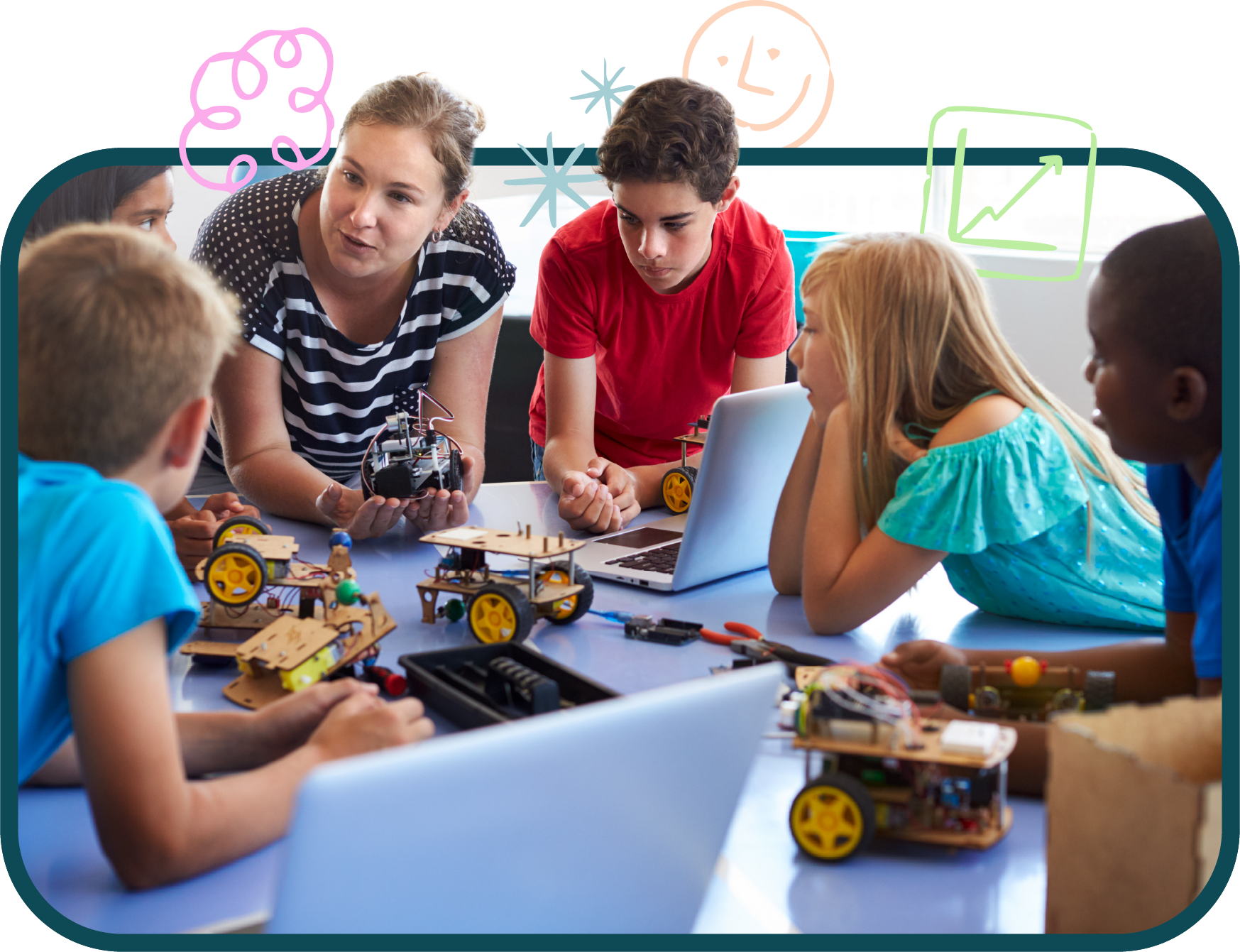
So what are the results? Students who talk at lunch. Who make eye contact. Who aren’t comparing themselves to curated social media feeds. Students who sleep better, focus deeper, and form genuine friendships. No phones means no distraction, no social media anxiety, and no constant comparison. Just real childhood.
Give your students something rare: time to become fully themselves before the digital demands begin.
Next step:
You do not have to design this from scratch, and you do not have to do it alone. The schools and organizations below have developed playbooks, toolkits, and practical answers to the objections a board or parent body is likely to raise.